When a foodservice brand adds a menu item, much of the work happens before the dish reaches the plate. Bryan Musgrove, divisional senior director on national accounts for TriMark USA, has worked on many equipment rollouts that support new menu items. He shared several practices aimed at making multi-location rollouts more seamless.
Create a location-by-location playbook
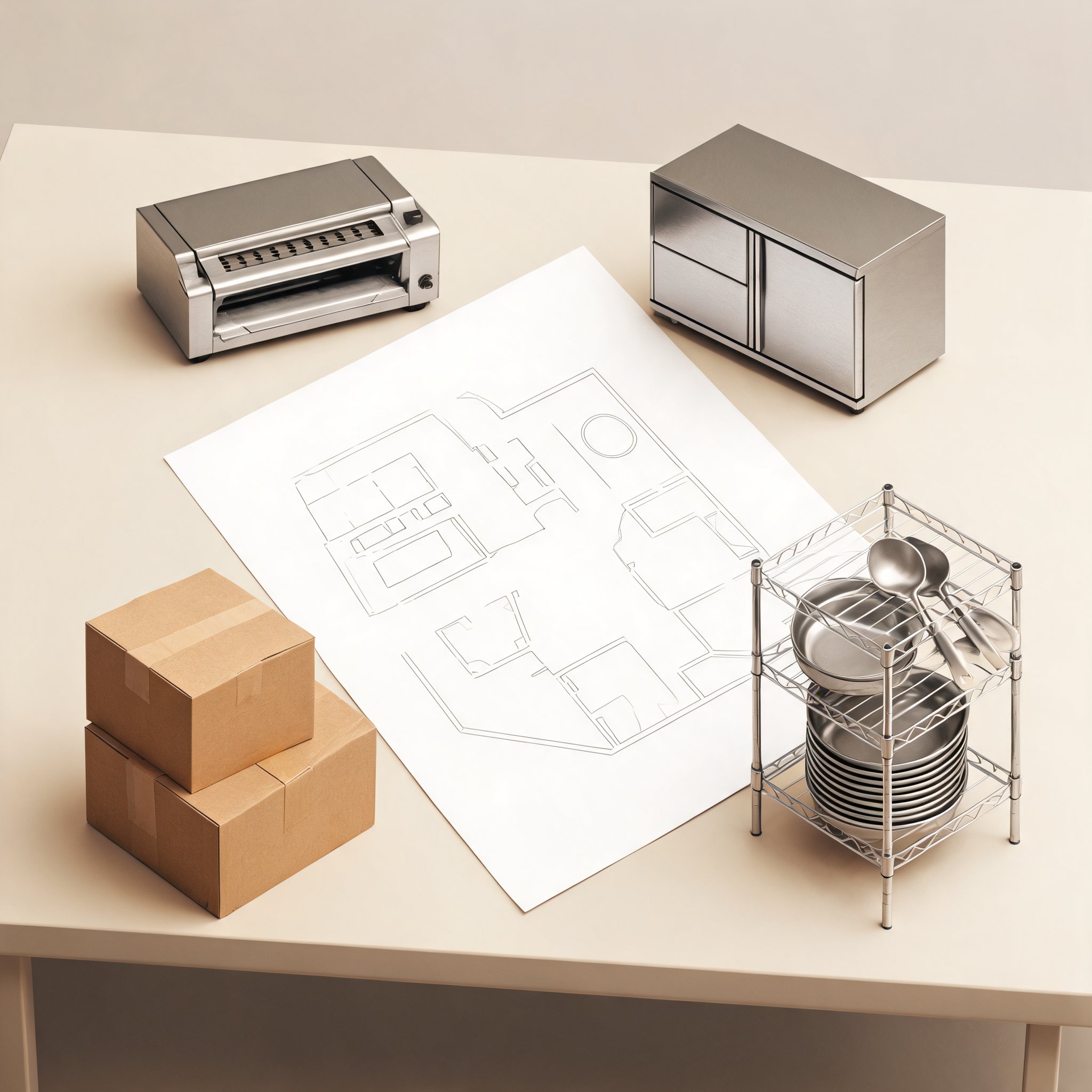
TriMark worked with a brand that needed new toasters so it could add toasted sandwiches to an existing breakfast lineup of biscuits and wraps. Musgrove said some locations already have electrical capacity that is maxed out. Others, such as small mall or urban sites, may lack the counter space for a toaster. In those cases, an operator may need to create space by adding shelving or another table, which affects workflow. A rollout playbook can separate locations that are plug-and-play from those that need additional support.
Build the schedule around manufacturer lead time
Musgrove said a manufacturer may be able to produce 200 units, but the key question is how long production will take. If the manufacturer can produce 10 units a week, the order will take 20 weeks. In another scenario, the manufacturer may have inventory for the first 50 units, then need to order parts from overseas, adding eight weeks before completing the rest. When a menu item is tied to a marketing campaign for a specific season or occasion, Musgrove recommends working backward from the desired launch date to set a timeline that can be achieved.
Consolidate packaging to simplify deliveries
Smaller wares do not have to be shipped directly to each location in their original boxes. Musgrove suggests asking the dealer to consolidate and repackage them into one package per location. TriMark worked with a brand adding macaroni and cheese to its lineup of sides. The launch required visual holding cabinets, pans and serving scoops in varying sizes. TriMark combined the items into one package per location, including instructional materials and exterior labeling so managers knew exactly what they were receiving when it arrived.
Coordinate site readiness and delivery
The practices address different parts of the same rollout: deciding which locations need more support, setting a schedule that reflects production constraints and simplifying what arrives at each site. According to Musgrove, following these steps can help ensure a smooth rollout. If all goes as planned, the new menu item can generate buzz and increase traffic. The operational work, however, remains behind the scenes, from electrical capacity and counter space to lead times and package labeling.