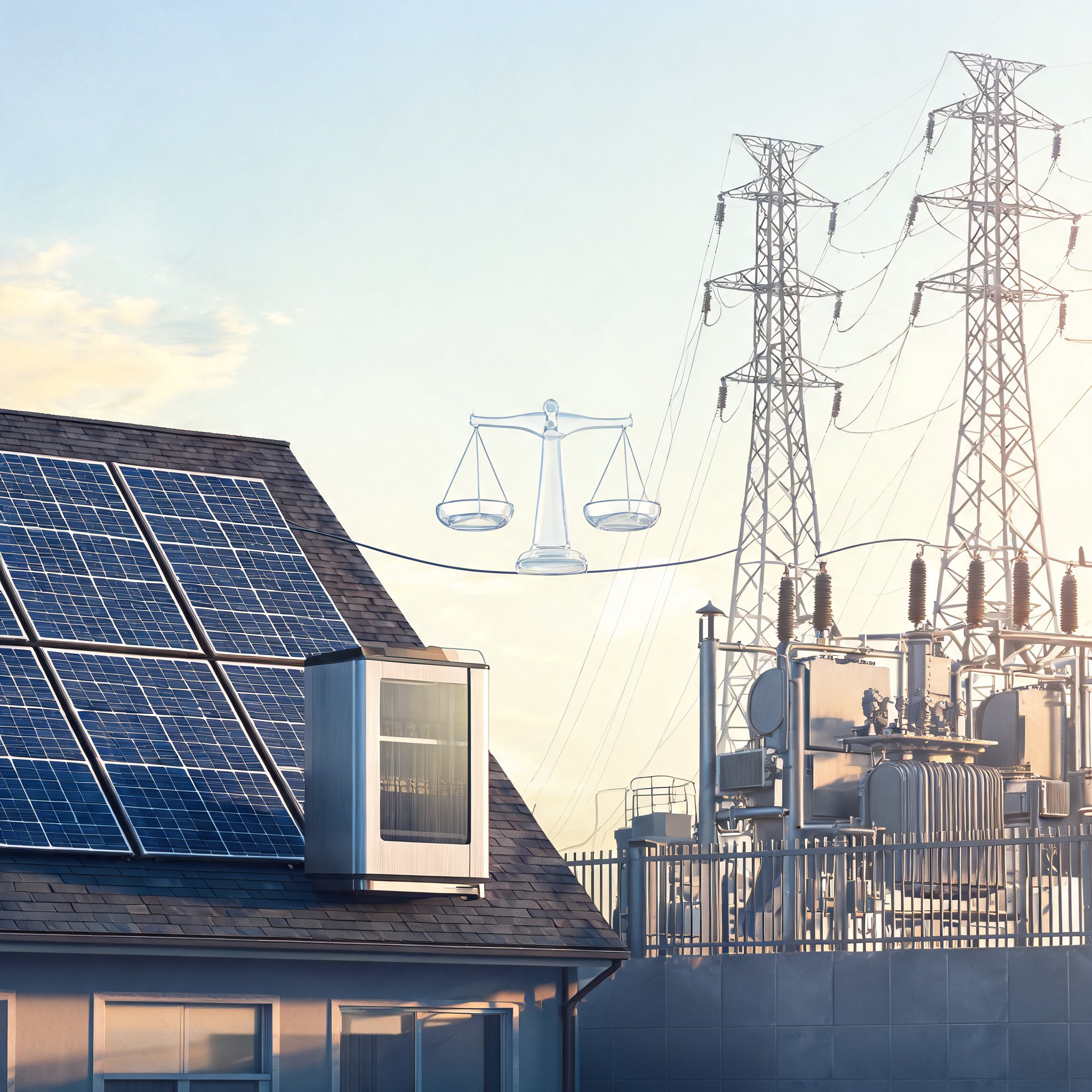
A coalition of solar and storage companies has filed testimony opposing the proposed merger of Dominion Energy and NextEra Energy in Virginia, arguing that the transaction could harm competition and slow renewable energy deployment.
The Storage and Clean Energy Coalition, or SCEC, said the merger poses an “unacceptable risk” to the state’s competitive landscape and that it opposes the deal as filed. The group said the utilities are silent on competition in generation procurement, distributed energy resources, and non-wire alternatives to traditional utility infrastructure.
Interconnection concerns
SCEC member Permit Power, whose interconnection policy director Lindsey Hallock is quoted in the testimony, said current utility policies make connecting home solar and batteries time-consuming and expensive. Hallock said Dominion and NextEra had told regulators the merger would not affect competition, but that this was not true for Virginia families trying to lower their bills by generating and storing their own electricity.
The coalition said long interconnection queues at both utilities would worsen if the companies merged. It asked the commission to require automation of interconnection for residential and small commercial projects, and to allow meter socket adapters, which can prevent main service panel upgrades, to speed the process.
Political influence cited
SCEC also cited NextEra’s political influence. It pointed to what it called one of the most infamous examples: the role of NextEra’s Florida Power & Light utility in influencing legislation that would have substantially reduced rooftop solar compensation for residential customers when a very small percentage of households had rooftop solar.
The testimony asks regulators to make interconnection reform a condition of the merger. The filing is part of the merger review and is not a final regulatory decision.