Silab, the French manufacturer of cosmetic active ingredients, has launched Metallomia, a detoxifying active ingredient developed specifically for menopausal skin. The company says the ingredient was designed around a mechanism it documented through a new modelling study of menopausal skin: a deficiency in ferritinophagy, the process that ensures iron is released in a controlled way to meet the needs of cells.
A metallo-ageing mechanism
According to Silab, the shortfall in ferritinophagy observed during menopause reduces the amount of bioavailable iron, and this lack drives premature ageing of the skin, a phenomenon the company terms metallo-ageing. Ultraviolet radiation is said to worsen the situation. UV exposure favours the degradation of iron/ferritin complexes, which releases iron massively and without control and generates substantial oxidative stress. The result, in Silab's account, is a double burden: too little usable iron under normal conditions, and a harmful surge of free iron when skin is exposed to sunlight.
Restarting ferritinophagy
Metallomia is intended to counter both sides of that picture. It relaunches ferritinophagy in menopausal skin, facilitating the provision of iron and restarting the main epidermal functions. At the same time, by reducing the iron/ferritin complexes, the active ingredient limits oxidative stress when skin is exposed to UV. Silab states that this targeted mechanism significantly reduces metallo-ageing.
What the testing reported
- In Caucasian volunteers, skin was described as revitalised from day 14: the skin barrier was reinforced and the complexion was more unified and radiant.
- In Asian volunteers, pigment spots were reported to be significantly reduced after 28 days.
- Applied by Caucasian volunteers before UV exposure, the ingredient prevented lipid peroxidation, and the appearance of redness was limited within hours of exposure.
Marshmallow root and a traced supply chain
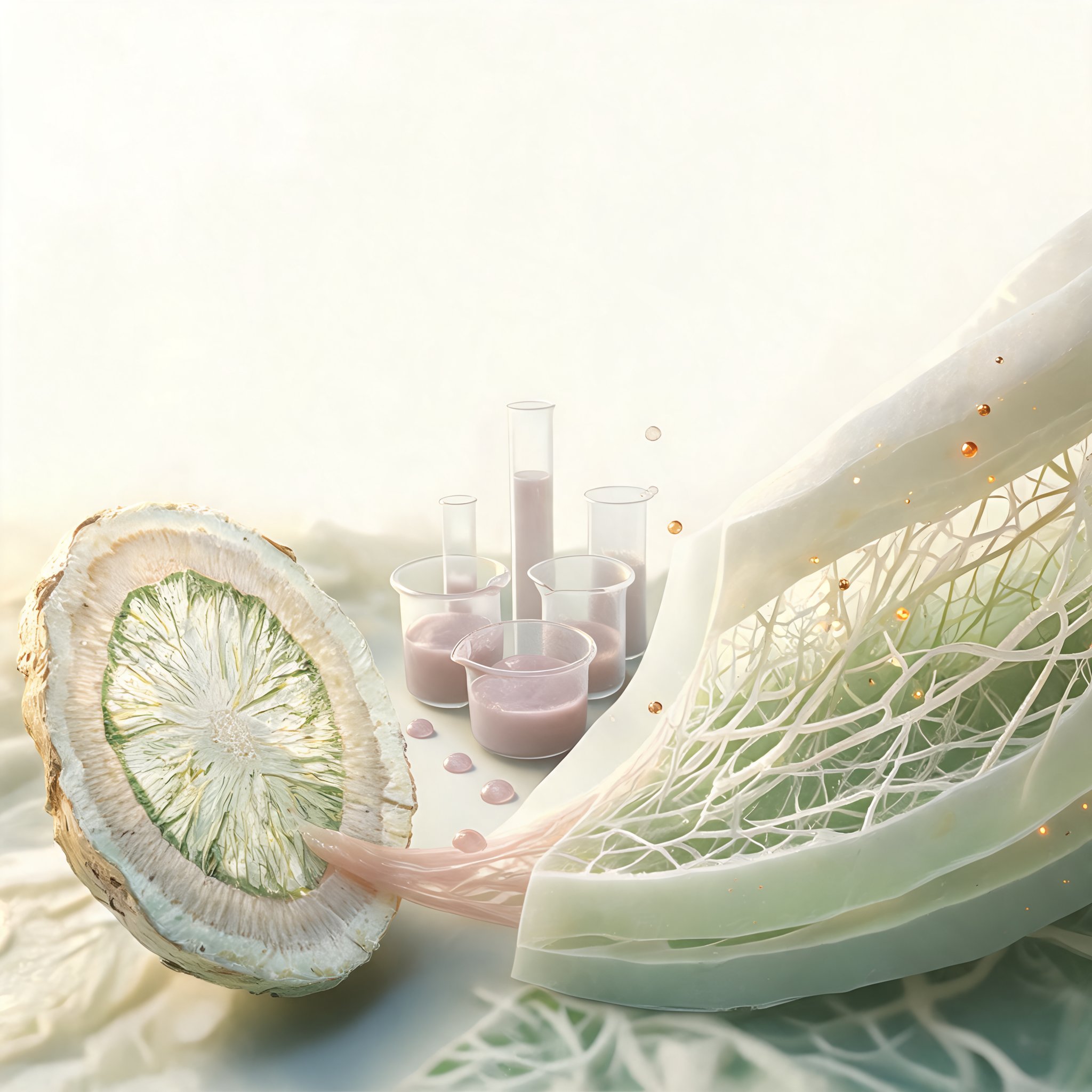
For the development of Metallomia, Silab examined the molecular composition of marshmallow roots, which are particularly rich in mucilages, and established a traced supply chain with French partners. That supply was validated against the criteria set out in the European Pharmacopoeia and authenticated by DNA barcoding. To make use of the root's mucilage content, the company developed a specific enzyme engineering process for extracting polyuronides.
Positioning and compliance
The patented ingredient is recommended for all care products intended for menopausal skin at a dose of 0.5% to 2%. It is available as an aqueous solution that is easy to formulate, complies with biodiversity regulations and has a natural origin content of 100% according to ISO 16128. Silab adds that it meets international cosmetics regulations, including those covering Europe, the United States, China and Japan.