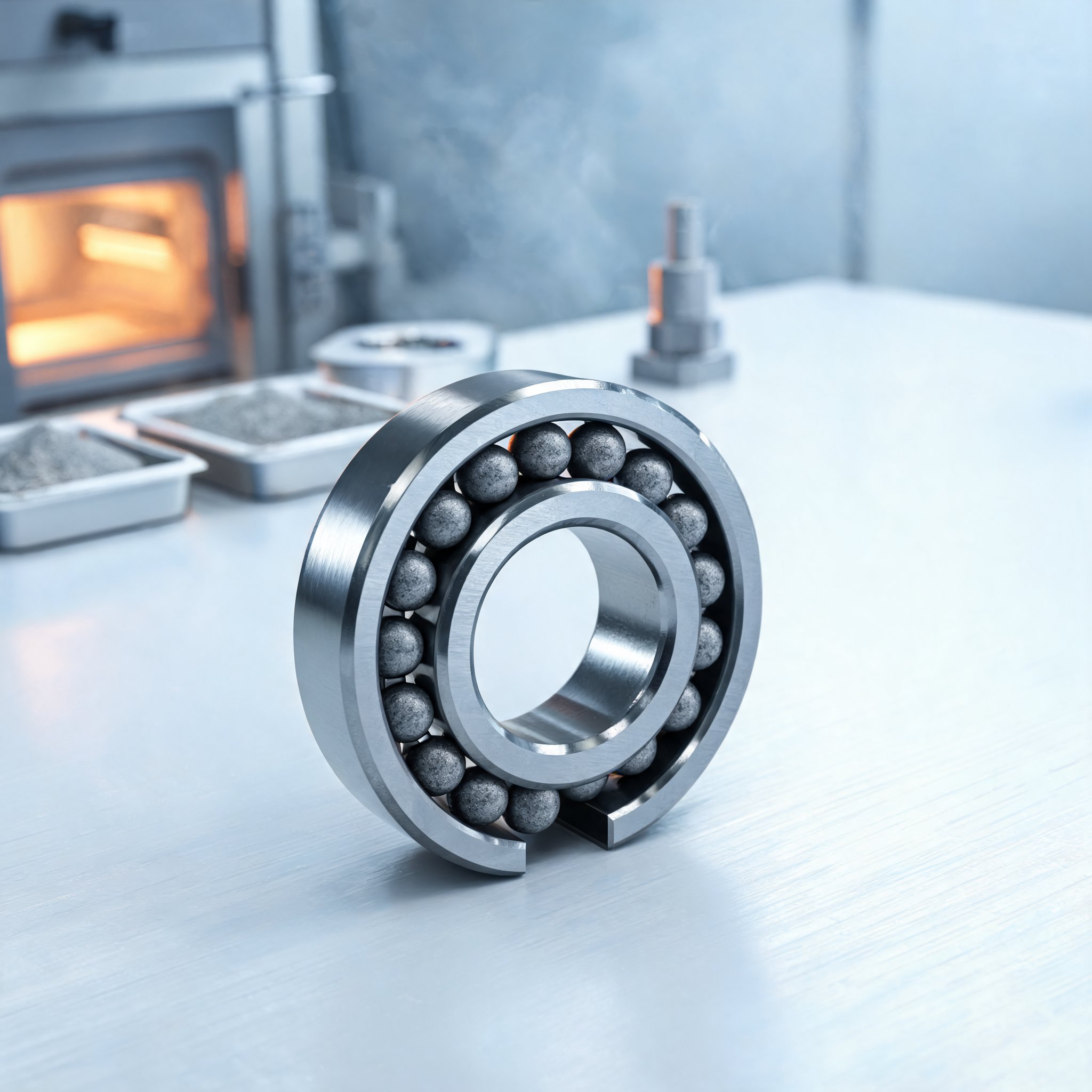
SKF has opened a Ceramic Process Laboratory (C-Pro Lab) at its research and development center in Houten, the Netherlands. The bearing manufacturer says the facility strengthens its capabilities across the complete ceramic manufacturing value chain, from raw material powder processing through to high-performance component engineering, and is intended to support broader global adoption of advanced hybrid bearing technology.
SKF links the investment to rapidly accelerating demand for hybrid ceramic bearings as industries move toward electrification and higher energy efficiency. Hybrid bearings combine high-grade steel rings with silicon nitride rolling elements; compared with all-steel alternatives, SKF says they provide electrical insulation, lower weight and reduced friction.
End-to-end process in one laboratory
Bringing powder formulation, compaction, sintering and surface finishing together in one location allows SKF researchers to prototype new material compositions quickly, optimize microstructures and improve process efficiency for high-volume manufacturing.
The laboratory operates as a global competence center within SKF's research and technology development organization, an arrangement the company says is intended to support end-to-end optimization of ceramic technology across the manufacturing chain.
Annika Ölme, SKF's chief technology officer and senior vice president for technology development, said ceramic and hybrid bearing technologies are essential enablers for clean and reliable rotation in next-generation industrial electrical applications. She said the C-Pro Lab gives the company full mastery over the end-to-end ceramic process, allowing it to innovate faster, optimize material performance and accelerate commercialization of high-performance hybrid solutions for customers worldwide.
Target sectors
SKF identifies industrial automation, aerospace and high-speed machinery as sectors where hybrid ceramic bearings help solve operational challenges. In these applications the company says ceramic technology helps prevent electrical erosion in high-speed electric motors, cut friction by up to 50 percent and deliver reliability at extreme temperatures, driven by demand for electrification, energy efficiency and operational reliability.
The official opening brought together customers from the railway, aerospace and drives industries, along with other stakeholders and H.E. Julius Liljeström, the Swedish Ambassador to the Netherlands. SKF presented the gathering as highlighting the importance of close customer collaboration in advancing industrial innovation and sustainable technology.
The announcement did not disclose investment figures, staffing levels or a timeline for the facility's operations.